5 Ways to Reduce Design Revision Rounds
Endless revisions drain your time, budget, and morale. We've identified the five things that consistently help creative teams ship faster.
Why revisions spiral out of control
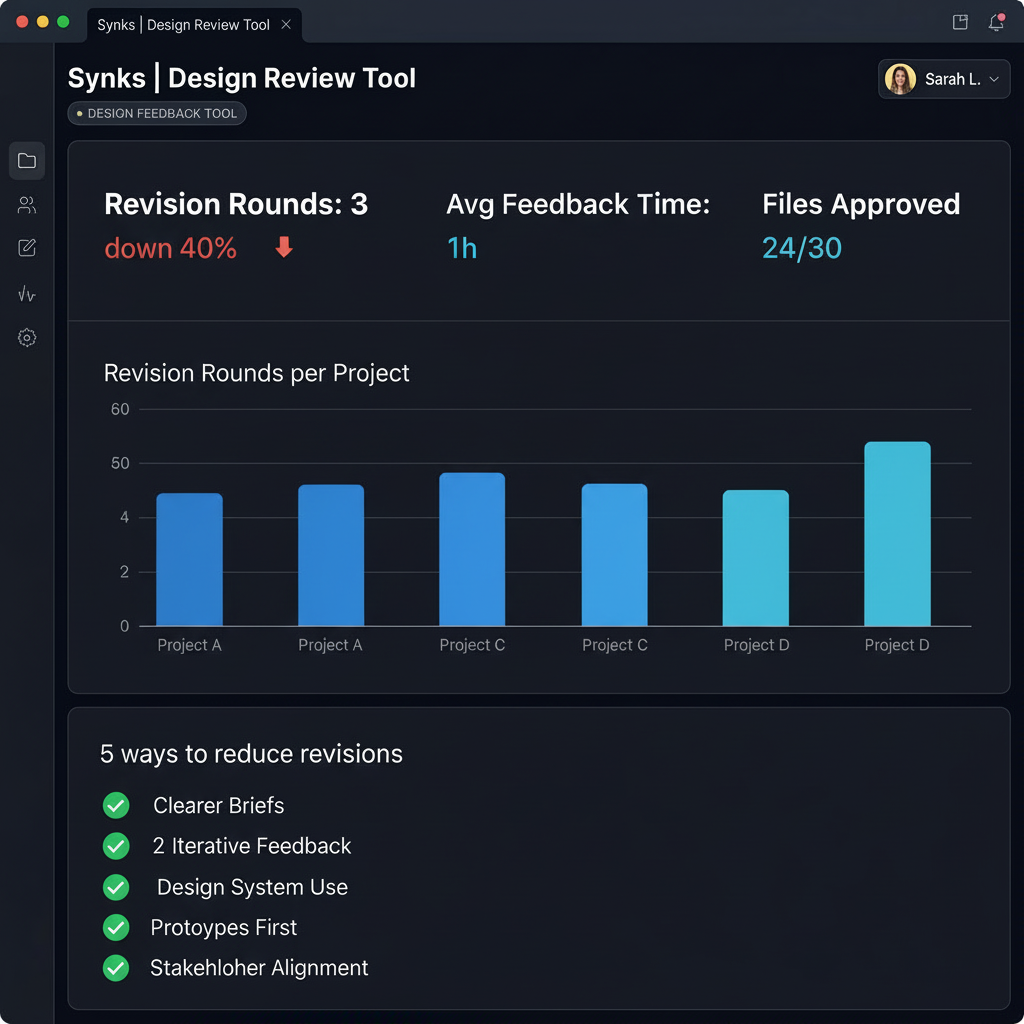
The average design project goes through 3-5 revision rounds. That's normal and healthy — iteration is part of the creative process. But some projects spiral to 8, 10, even 15 rounds, burning through time, budget, and team morale.
The root cause is almost always the same thing: vague feedback.
When a client says "something feels off about the header," you're left guessing. You make a change. They say "no, that's not it." Another round. And another. It's a cycle that benefits no one.
Here are five things we've seen consistently break that cycle.
1. Use visual feedback tools
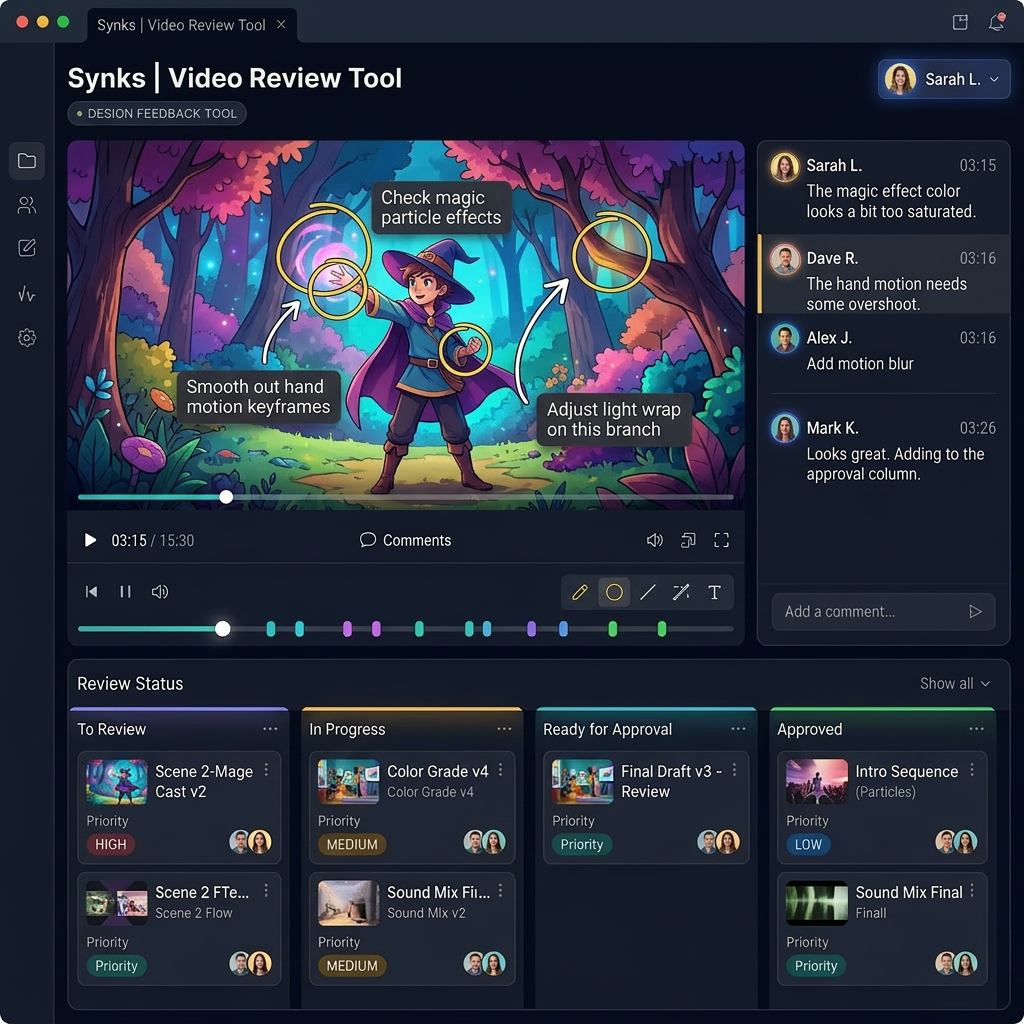
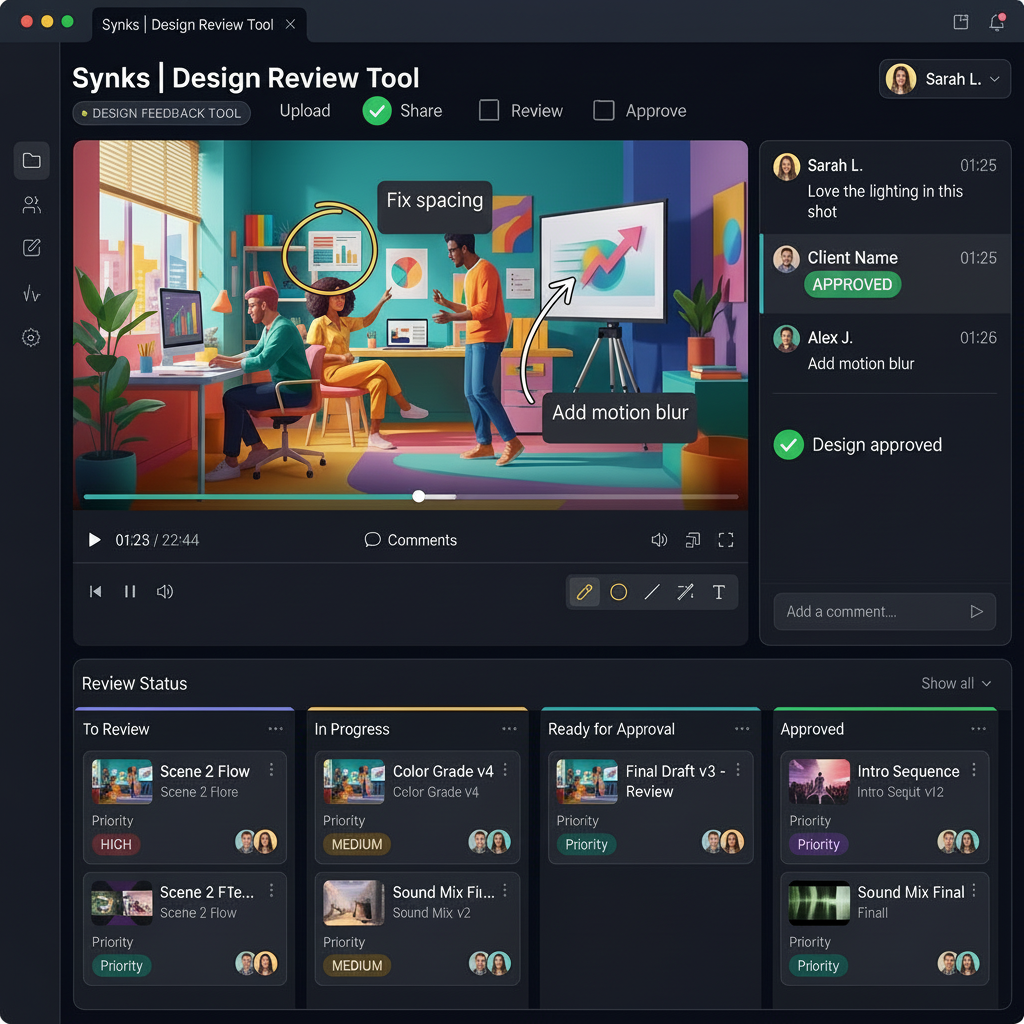
This is the single biggest lever you can pull. When clients pin comments directly on the design instead of writing vague emails, the feedback goes from "something feels off" to "move this logo 20px left and match the blue from our brand guide."
Specific feedback means fewer guesses, which means fewer rounds. We've seen teams cut their revision rounds by about 40% just by switching to visual feedback.
2. Set expectations upfront
Before the project starts, include these in your proposal or contract:
- How many revision rounds are included in the price.
- What counts as a "revision" vs. a "new direction."
- The timeline for each round.
- How feedback should be submitted (ideally through your review tool, not email).
When expectations are clear from the beginning, everyone's aligned.
3. Do an internal review first
Before you show anything to the client, run it past your team. An internal review catches alignment issues, typos, brand inconsistencies, and obvious problems before they become client feedback. It's an extra step, but it consistently reduces client-facing rounds.
4. Show what changed with version comparison
When you upload a new version, don't just say "here's the updated design." Show the client a side-by-side comparison. When they can visually see that their feedback was addressed, you avoid the dreaded "you didn't change anything" response.
5. Consolidate feedback before revising
The worst scenario is getting feedback from five stakeholders in five separate emails, all saying different things. Use a review tool where everyone comments in one place. Then have the project lead consolidate the notes into a single, clear direction before you start revising.
The bottom line
Fewer revisions means faster delivery, happier clients, and more profitable projects. You don't need to be perfect on the first round — you just need a process that gets feedback right so each round actually moves the project forward.
— The Synks Team
Ready to try Synks?
Start collecting visual feedback for free — no credit card required.
Get Started Free